The Willingdon Heights Character
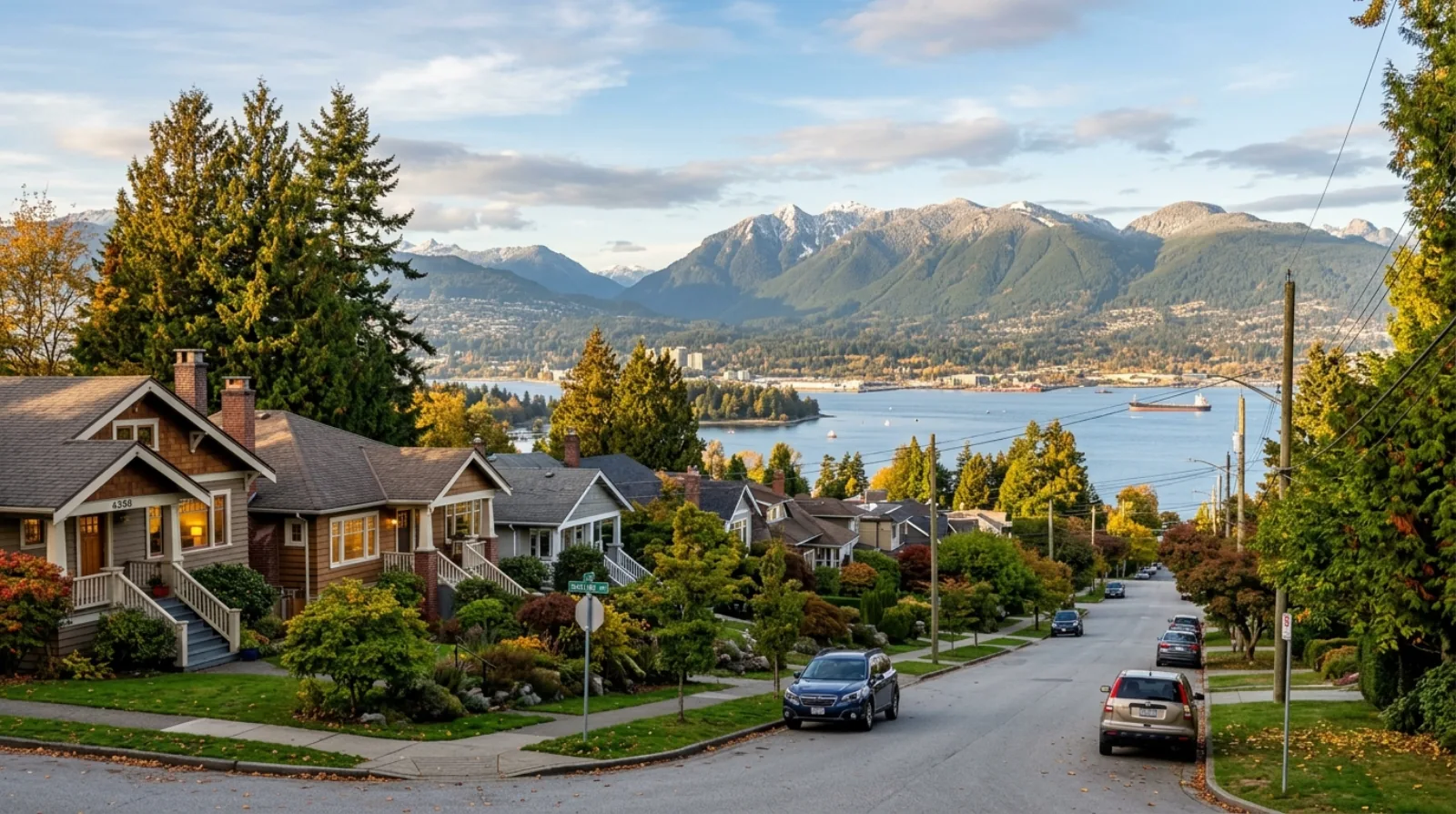
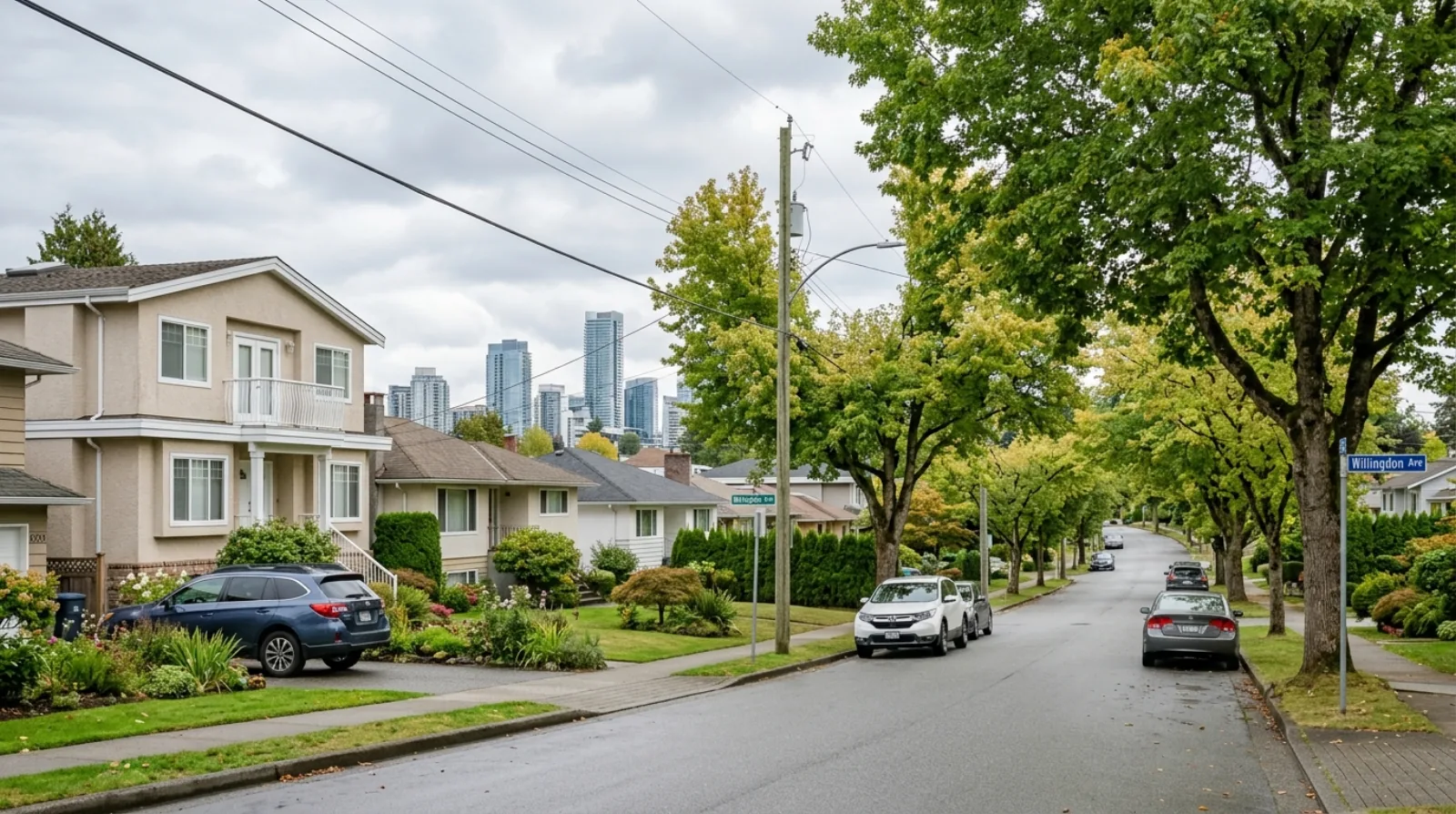
Willingdon Heights is a post-war neighbourhood in the truest sense. It was built up rapidly after 1944 when the National Housing Act opened up mortgage financing and the Integrated Housing Plan provided loans for returning veterans. Roughly ninety percent of the first residents were war veterans and their families. The houses they built and bought — small bungalows, two-family dwellings, and the Vancouver Specials that arrived in the 1960s and 1970s — still define most of the streetscape today.
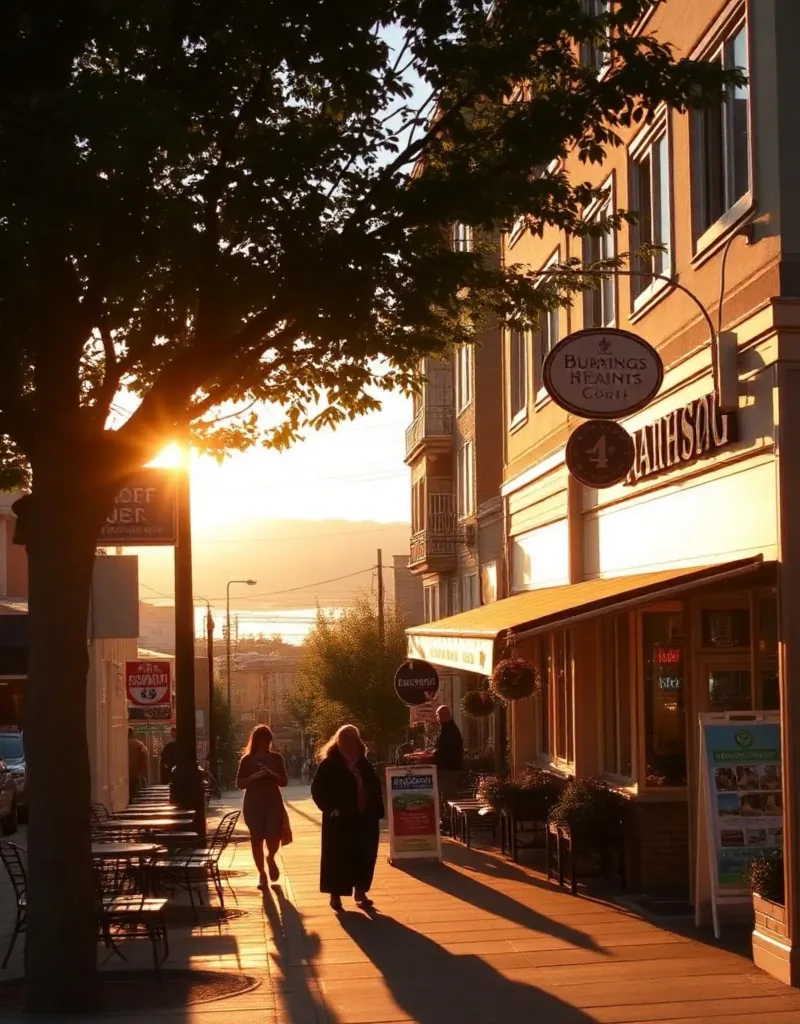
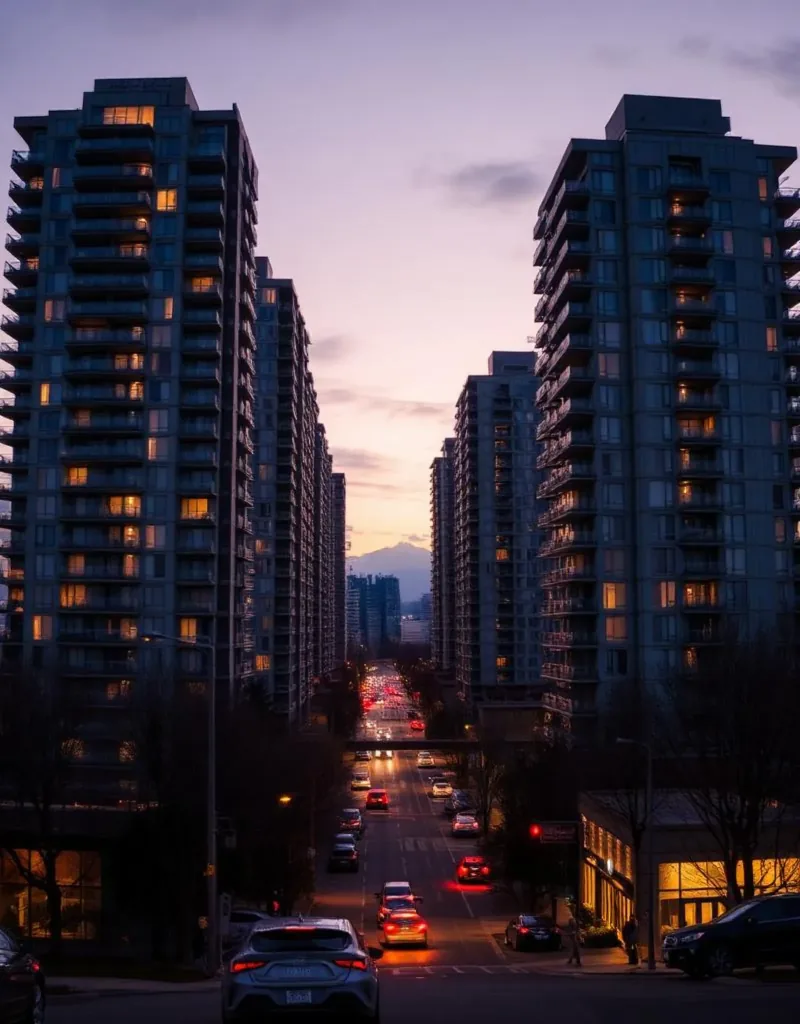
The neighbourhood is contained and legible. The west side runs along Boundary Road, the border with Vancouver. The east side is Willingdon Avenue, where the skyline starts to shift toward the Brentwood towers. Hastings Street forms the northern edge, and along that edge sits one of North Burnaby's most beloved commercial strips — Burnaby Heights, with its independent bakeries, butchers, delis, and cafes. The southern edge at Lougheed Highway is where the neighbourhood quiets down into a transit corridor and the boundary with Brentwood begins.
The housing mix reflects the history. Most of the area is detached single-family homes, with a share of duplexes and low-rise apartments. The Heritage Burnaby archives describe the neighbourhood as mostly single and two-family dwellings, and that remains broadly accurate today, though newer secondary suites, laneway discussions, and now multiplex applications are quietly beginning to change some lots. What you will not find inside Willingdon Heights is a high-rise tower. That scale lives to the east.
The residents are diverse — a long-established mix of families with European and East Asian backgrounds, with newer arrivals continuing to add to that mix. The neighbourhood has a practical, unflashy character that people who live here tend to appreciate. It is not trying to be Brentwood. It is not trying to be Burnaby Heights. It is its own thing: a residential area that works.