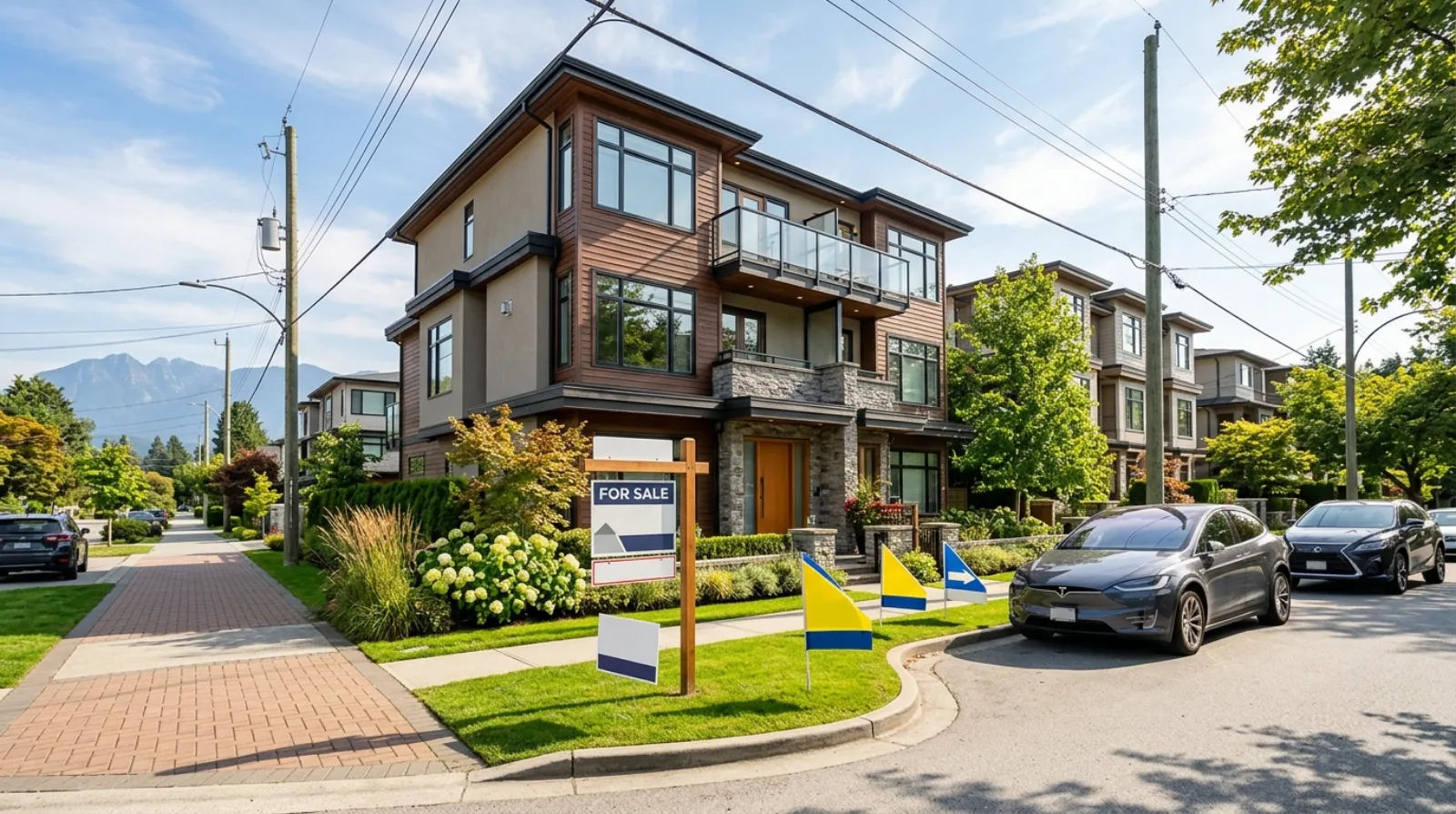
Every seller hopes for a clean deal: offer accepted, subjects removed, deposit in, keys handed over on completion day. Most Burnaby deals go that way. But every year I get a call that starts with "the buyer just backed out, what happens to my deposit?" A lot of sellers assume the deposit is automatically theirs the moment a buyer walks. It isn't, and the answer depends on when and why the deal collapsed.
The deposit isn't yours, and it isn't the buyer's
When a buyer's deposit lands in your brokerage's trust account, the brokerage holds it as a stakeholder, not as your money or the buyer's, according to BCFSA's guidance on deposits. Your REALTOR® can't hand it to you because you feel wronged, and the buyer's agent can't get it back just by asking. That structure stops either side from grabbing the money before anyone has sorted out who's entitled to it, and it's the same rule that protects you when the money needs to stay put.
Not removing subjects is different from breaching a firm contract
This distinction decides most cases, and it's the first thing I check.
If the buyer doesn't remove subjects. Most Burnaby offers come in "subject to" financing, inspection, or strata document review, with a deadline in the contract. If those conditions aren't met and the deadline passes without removal, the contract simply ends on its own terms. Nobody broke a promise. In many cases the deposit hasn't even been paid into trust yet, since BC contracts usually call for it within a day or two of subject removal, not at signing. Where it has already changed hands, it's normally returned to the buyer.
If the buyer removes subjects and then walks. Once subjects come off, the contract is firm and binding, and both sides are committed to close. A buyer who then fails to complete, whether from cold feet or a financing problem, is breaching a binding contract, not exercising an expired condition. The deposit is genuinely at risk, and the seller has a real claim to it. I push every buyer client to treat subject removal as a serious commitment, not a formality.
Who actually decides where the deposit goes
Even with a strong case, the brokerage can't release the funds on its own, since realtors have no authority to decide who was at fault. Only three things resolve a disputed deposit:
- A mutual release. Buyer and seller agree in writing, and the brokerage pays out accordingly. This is the fastest, cheapest outcome, and I always try to negotiate one before either side hires a lawyer.
- A court decision. If the two sides can't agree, the brokerage pays the deposit into court through an application called an interpleader, and a judge rules on who gets it. This can take months.
- Completion. If the transaction closes after all, the deposit is simply credited toward the purchase price.
If your dispute is heading toward option two, that's the moment to call a real estate lawyer, who can weigh your contract wording, the buyer's stated reason, and the timeline against your claim. I'm not a lawyer and won't give legal advice on a live dispute. What I can do is help organize the timeline and market facts your lawyer will need.
Standard BC contracts don't automatically cap a seller at the deposit amount, either. If actual losses run higher, for example a lower resale price plus carrying costs while the home sits back on the market, a seller may be able to pursue the shortfall. That's a legal claim, not something a realtor pursues.
What relisting actually looks like
Once the legal side is moving, or it's clear there's no dispute, the practical side is where I focus with sellers. A collapsed deal isn't the end of your sale, it's a restart with information you didn't have before.
Get back on the market quickly. The longer a home sits off-market after a failed deal, the more stale it looks when it reappears. I typically recommend relisting within days, not weeks, once the deposit situation is confirmed. Fix what's fixable from whatever caused the collapse, whether that's an inspection issue, financing, or a strata concern, and be upfront with future buyers about the rest.
Watch how the market read your last listing. Showing traffic, offer terms, and how long it took to reach an accepted offer all say something about pricing and presentation. If the market has shifted since you first listed, and in areas like Metrotown it often has, your price and strategy might need a second look. Keep every email, text, and document tied to the original deal too, in case it turns into a legal dispute and your lawyer needs the full paper trail.
A collapsed deal is stressful, but it's a fairly well-worn path. Burnaby sellers go through this more often than people realize, and in most cases the deposit question resolves cleanly once everyone understands whether the buyer had a legal exit or not.
Key Takeaways
- Your brokerage holds the deposit as a neutral stakeholder, not as your money, until there's a legal basis to release it.
- If a buyer's subjects expire without removal, the contract ends and the deposit is normally returned, since no one broke a firm agreement.
- Once subjects are removed, the contract is firm and binding. A buyer who then fails to close is in breach, and the deposit is genuinely at risk.
- A disputed deposit is released only by mutual written agreement or a court decision, often through an interpleader application.
- If actual damages exceed the deposit after a breach, a seller may pursue the shortfall, but that's a question for a real estate lawyer.
Frequently Asked Questions
Does the seller automatically keep the deposit if a buyer backs out?
No. The brokerage holds it as a stakeholder and can't release it to either side just because the deal fell through. If subjects simply expired, the deposit is normally returned to the buyer; if the buyer breached a firm contract, the seller has a real claim, but release still needs a mutual written agreement or a court decision.
What's the difference between not removing subjects and breaching the contract?
Not removing subjects means the buyer used a condition the contract gave them, and the contract ended on its own terms when the deadline passed. Breaching a firm contract means those conditions were already removed and the buyer failed to close anyway, which is a default with real legal weight.
How long does a deposit dispute take to resolve in BC?
A mutual release can happen in days. Going to court through an interpleader application can take months, longer if the case heads toward trial instead of settling, since the brokerage must stay neutral throughout.
Can I sue a buyer for more than the deposit amount?
Potentially, if your actual losses exceed the deposit, for example a lower resale price plus carrying costs. This depends entirely on your specific contract and circumstances, and needs a real estate lawyer to evaluate.
Sources
- BCFSA, Consumer Guide to Deposits: stakeholder status and release requirements for BC real estate deposits.
- BCFSA, Deposits (Buying a Home): how BC brokerages hold and release deposits, including court involvement in disputes.
- BCFSA, Trust Accounts Information: brokerage trust account obligations under BC's Real Estate Services Act.
---
If your deal just fell apart and you're not sure what happens next, don't guess your way through it. I can help with the practical side, timeline, relisting, and how the market will read your listing this time, while you get proper legal advice on the deposit itself. Start with a no-obligation valuation to see where your home stands now, or reach out directly to talk it through. You can also call or text me at 778-991-0051. Ready to relist? My full selling guide walks through the process from here.
Jersey Li, The Apartment Guy® · Medallion Club Member (Top 10% REALTOR®, 2024 & 2025) · Jersey Li Personal Real Estate Corporation, Sutton Group - 1st West Realty. This article is general information, not legal advice. For a deposit dispute, consult a real estate lawyer.

Sutton Group - 1st West Realty · Medallion Club Member (Top 10%)
Burnaby real estate advisor and multiplex strategist. Licensed REALTOR® with Sutton Group - 1st West Realty, specializing in residential, multiplex, and redevelopment transactions across Burnaby and Metro Vancouver.