Every detached-house buyer I work with eventually asks me the same question, usually a week or two before closing: how much is home insurance actually going to cost? I can't quote a policy, I'm not a broker, but I can walk you through how the coverage works, what your lender demands before they release a single dollar, and why the number on your renewal has almost nothing to do with what your house is worth on MLS®. That last part surprises more buyers than anything else in the closing process.
What a detached home policy actually covers
A standard BC homeowner's policy is built around a few core pieces. Dwelling coverage pays to repair or rebuild the structure after a covered loss, fire, wind, a burst pipe. Contents coverage protects what's inside, usually up to a percentage of the dwelling limit. Personal liability protects you if someone is hurt on your property and sues. Additional living expense coverage pays for a hotel or short-term rental if the home becomes unlivable during repairs.
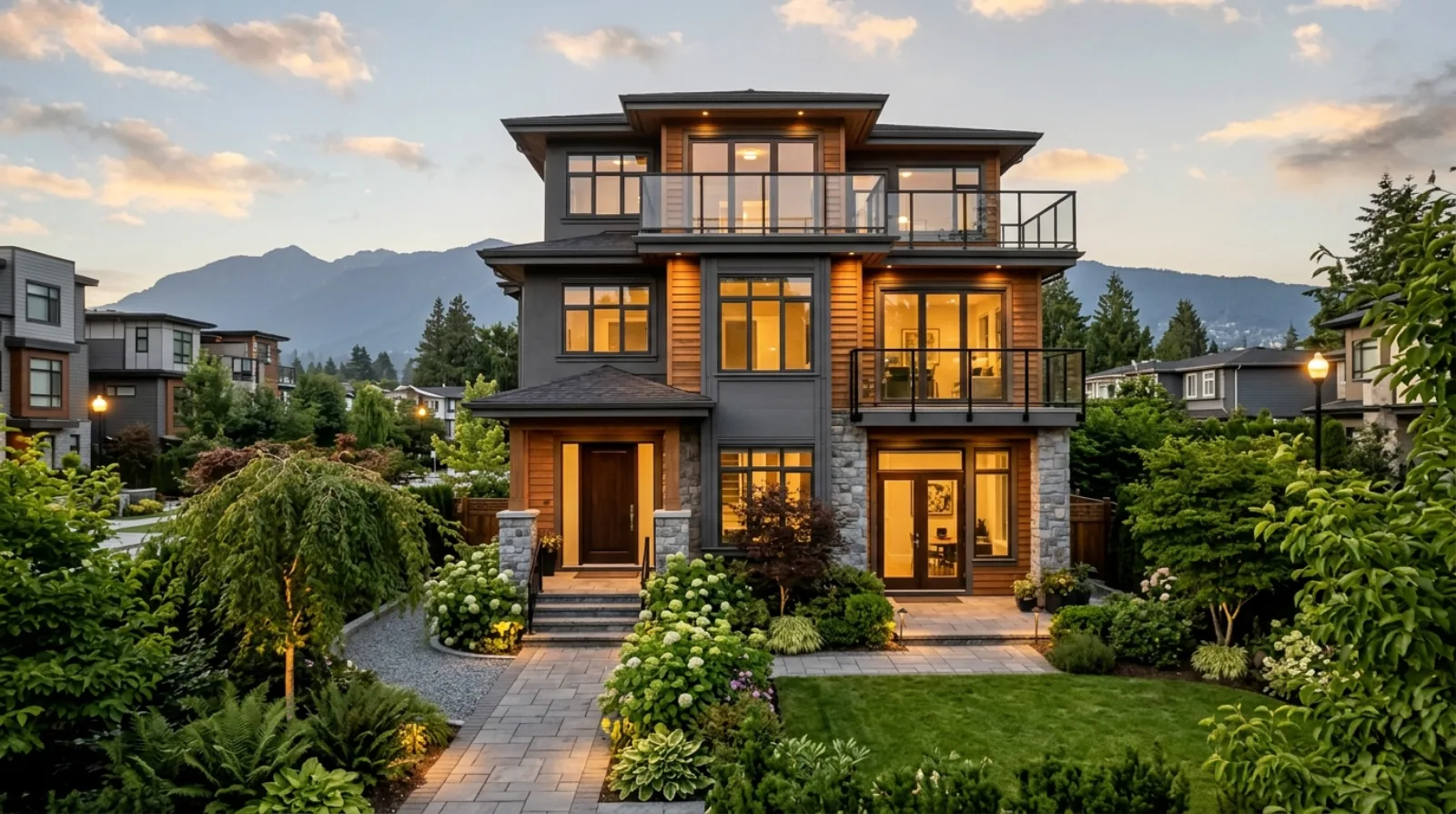
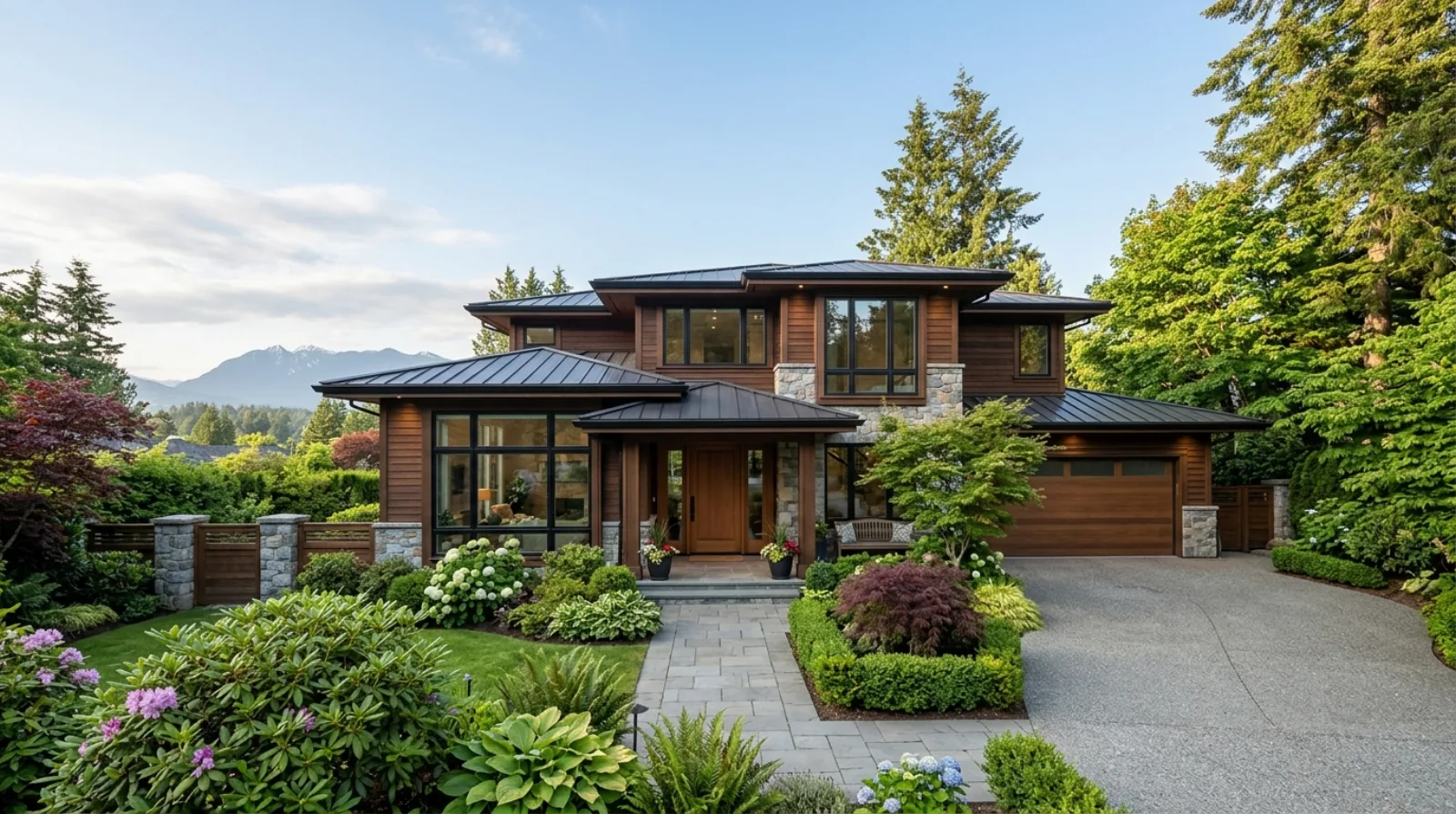
Detached houses also need coverage for structures outside the main dwelling, a garage, a shed, a fence. If the house has a legal secondary suite or a laneway home you'll rent out, tell your broker, since that changes the policy to account for rental income and tenant liability.
Why insurers price to rebuild cost, not sale price
This is the part that trips people up. Your insurer doesn't price to what you paid for the house or what a REALTOR® thinks it would sell for next spring. They price to replacement cost: what it would actually cost, in materials and labour, to rebuild the structure from the ground up. The Insurance Bureau of Canada is direct about this, noting that "the replacement value of your home may differ from the market value and municipal tax assessment value" of the property, since replacement value covers what it takes to reconstruct the building, not the land under it.
That's why an older, smaller detached house on a large Burnaby lot can carry a higher premium than a newer, larger home nearby. Land drives the sale price, but it has almost no bearing on what your insurer pays out if the structure is destroyed. Construction costs have also climbed sharply in recent years, so a policy left unreviewed for a while can end up underinsured even if the premium looks unchanged.
What your lender needs before they'll fund
If you're financing the purchase, insurance isn't optional paperwork, it's a closing condition. Your lender needs proof of adequate coverage, with the lender named as first loss payee on the policy, before mortgage funds are released. In practice your lawyer or notary handles this: your broker issues a binder letter, a temporary certificate confirming coverage is in place, and it gets sent to your lender ahead of your possession date. Canadian mortgage industry guidance treats this as standard practice, requiring "the Insurance Bureau of Canada standard mortgagee clause with the Mortgagee being first loss payee" listed on the policy before closing proceeds.
Timing matters more than people expect. Coverage needs to be active on your possession date, not your completion date, and those two dates aren't always the same. Call a broker as soon as subjects come off, not the week of closing, because a rushed binder is how gaps in coverage happen.
What moves your premium up or down
Several factors shape what you'll pay, and none are numbers I'll invent here since they vary by insurer and by property. The Insurance Bureau of Canada lists the home's age, size, and construction type, its roofing and heating system, distance from the nearest fire hydrant and responding fire department, and safety features like alarms and smoke detectors. A detached garage or shed adds to what's covered and can add to the premium. These are inputs a broker uses to shop your policy across a few insurers, worth doing rather than accepting the first quote. Treat any cost figure in an online calculator as illustrative only. The real number comes from a licensed broker pricing your specific address and claims history.
Earthquake coverage: the rider most standard policies skip
This is the one out-of-province buyers miss most. A standard BC home insurance policy does not include earthquake damage. The Insurance Bureau of Canada is explicit that coverage for earthquake damage isn't included in a standard policy but can be purchased as an optional add-on, and it names British Columbia's southwest region among the parts of Canada most exposed to seismic risk. If you want that protection, you have to ask for it by name.
Earthquake add-ons also work differently from the rest of your policy. Rather than a flat dollar deductible, InsureBC explains that earthquake deductibles are typically a percentage of your coverage limit, often starting around 5 percent, so a $300,000 dwelling limit with a 15 percent deductible would leave you responsible for the first $45,000 of a claim before the policy pays out. That structure exists because a major quake could trigger claims across thousands of homes at once, and a percentage deductible spreads that risk so more homeowners can afford the coverage in the first place. Whether it's worth adding depends on your risk tolerance and your broker's read on your address, but it's worth asking rather than assuming your policy already includes it.
Lot size, age of housing stock, and proximity to fire services also factor into what a broker quotes, which is one reason premiums differ block to block. Areas like Westridge, with its mix of single-family lots, show how these factors play out house by house.
None of this should scare you off buying a detached house. It means insurance belongs in your budget conversation the week you write an offer, not the week before closing. My Home Buyer Guide walks through where insurance fits into the full purchase timeline.
Key Takeaways
- A detached home policy covers the dwelling, contents, personal liability, and additional living expenses, plus detached structures like a garage or shed.
- Insurers price your premium to replacement cost, what it takes to rebuild the structure, not to your home's market value or land value.
- Lenders require proof of insurance, with the lender listed as first loss payee, before releasing mortgage funds, and coverage must be active on your possession date.
- Premiums are shaped by the home's age, construction, roofing, heating, fire hydrant distance, and safety features, so quotes vary by broker.
- Earthquake coverage is not in a standard BC policy. It's a separate add-on with a percentage-based deductible, and BC's southwest region is flagged as higher-risk by the Insurance Bureau of Canada.
Frequently Asked Questions
Does home insurance in BC cover earthquake damage automatically?
No. A standard BC policy does not include earthquake coverage. It has to be added as a separate rider, with its own percentage-based deductible rather than the flat deductible on the rest of your policy.
Why is my insurance quote higher than expected for a house that isn't that expensive?
Because your insurer prices to replacement cost, what it takes to rebuild the structure, not to sale price or land value. An older, smaller home on a large lot can cost more to rebuild per square foot than a newer home nearby, which can push the premium higher even though the sale price is lower.
When do I need to arrange insurance when buying a detached house?
As soon as your subjects come off, not the week of closing. Your broker issues a binder letter that your lawyer or notary sends to your lender, and coverage needs to be active on your possession date, which can differ from your completion date.
Can I estimate my premium before I buy?
Only roughly, and any figure in a general calculator should be treated as illustrative, not a real quote. The accurate number comes from a licensed broker pricing your specific address, roof age, construction type, and claims history.
Sources
- Insurance Bureau of Canada: Types of Home Insurance Coverage: replacement value vs. market value, factors that affect premiums.
- Insurance Bureau of Canada: Earthquake Protection: earthquake coverage as an optional add-on, BC seismic risk region.
- InsureBC: Earthquake Insurance Coverage in BC: percentage-based earthquake deductibles and example calculation.
- Canadian Bar Association: Mortgage Instructions Toolkit, Insurance: lender mortgagee clause and first loss payee requirements before closing.
---
If you're shopping for a detached house in Burnaby and want to talk through how insurance, financing, and closing fit together, I'm happy to help. Start with a no-obligation valuation if you're selling to buy, or reach out directly to set up a chat. You can also call or text me at 778-991-0051.
Jersey Li, The Apartment Guy® · Medallion Club Member (Top 10% REALTOR®, 2024 & 2025) · Jersey Li Personal Real Estate Corporation, Sutton Group - 1st West Realty.

Sutton Group - 1st West Realty · Medallion Club Member (Top 10%)
Burnaby real estate advisor and multiplex strategist. Licensed REALTOR® with Sutton Group - 1st West Realty, specializing in residential, multiplex, and redevelopment transactions across Burnaby and Metro Vancouver.